Youth Vaping
In case you missed it you can still view or just listen to our community conversation on vaping you can still catch it. Just click HERE Below are some of the resources mentioned during the conversation


Youth Vaping
In case you missed it you can still view or just listen to our community conversation on vaping you can still catch it. Just click HERE Below are some of the resources mentioned during the conversation
Children and Second Hand Smoke
Even if you and the rest of your family do not smoke, it is best to always be cautious of the different environments your child is exposed to secondhand smoke. Do your child’s friends’ parents smoke inside the house? Do they play sports in an area that isn’t smokefree? Venues that you assume are smokefree, such as a public park, may still allow designated smoking areas. Children who are exposed to secondhand smoke are more likely to get frequent coughs, colds and ear infections. They are also more likely to have allergies or contract asthma. Here are some simple ways to protect your child from secondhand smoke:
· Do not smoke in your home or car
· Ask family and friends not to smoke in your home or car
· Make sure your child doesn’t visit homes or other places where you know smoking occurs
If you’re a parent and you smoke, you can protect your family from secondhand smoke by implementing no-smoking rules in your own house or car and keep the smoke outside. If you’re ready to quit smoking and live a healthier life, you can call for free help at 1-800-Quit-Now or visit QuitNowIndiana.com.

Breathing Easy in Dearborn County
More than 1 in 5 Indiana adults smoke cigarettes (21.5%),
one of the highest rates in the nation, while the number of youths using vaping
products remains a concern for anti-smoking advocates. Secondhand smoke is
estimated to cause over 1,300 deaths among Hoosiers each year. About 1 in 4
nonsmokers nationwide are exposed to secondhand smoke. Strong smokefree air
laws protect more than workers, they protect all residents from secondhand
smoke in public places.
Thousands of communities across the nation have made the
smart choice to go smokefree, our coalition is working hard to make Dearborn
County the next on that list.
NAA (Nicotine Action Alliance) efforts for a smokefree
community were halted by the global pandemic. With COVID-19 being a respiratory
virus and having shown long term effects of the virus, it has highlighted the
public need for smoke free air. The pandemic has also made point of the
ever-present dangers of secondhand smoke. Masks do not protect people from
secondhand smoke, smokefree air laws do.
If you have questions or want to get involved in our
coalition’s efforts visit us on Facebook @NicotineActionAlliance Please also
consider taking our smoke free air survey here or at the QR code below. Let’s do our part to make Dearborn County our
community smoke free!


Dear Community Business Partners,
By now it is common knowledge that Indiana is an unhealthy
state, often among the worst in the nation for smoking and obesity. But it’s
becoming clearer that Indiana’s poor health rankings don’t exist in a
vacuum.
The Indiana Chamber of Commerce released a new report in
June of 2020 that indicates Indiana lags our neighbors on key health metrics
like smoking, obesity and health insurance costs. So, why do businesses care
about health? One reason is because it affects the cost of doing business in
Indiana.
Policymakers have started to notice. Recently, they raised
the legal tobacco age to 21 to combat high smoking rates, but it is simply not
enough. If state leaders are serious about addressing Indiana’s health challenges—and
strengthening our economy—they need to raise the cigarette tax and invest more
in health programs and services.
The problem is real and growing worse, and health and
business leaders agree on the solution. Let’s hope lawmakers will raise the
cigarette tax next chance they get.
For more information on how your business can become smoke
free visit https://www.quitnowindiana.com/healthy-workplace
Stress and anxiety can trigger vape cravings, and make it harder for you to quit for good. You may be tempted to reach for your vape when you have these feelings, but vaping is not an effective way to cope. There are healthy and effective ways to deal with stress and anxiety.
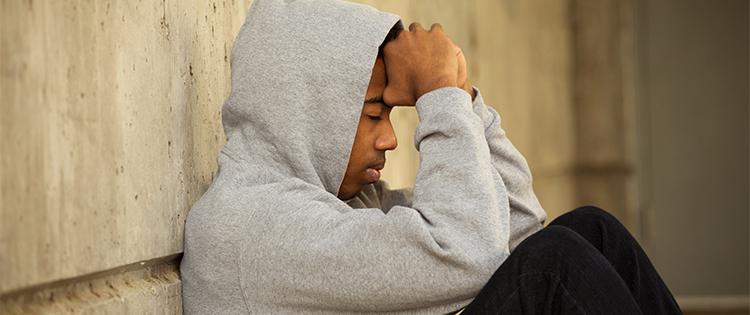
Stress is a normal part of life—everyday worries, responsibilities, and hassles all contribute to your overall stress level. Too much stress can make you feel overwhelmed and affect your mood. If you automatically reach for your vape when you are stressed out try creating a personalized quit plan to help you come up with strategies for dealing with stress without vaping.
Anxiety is feeling worried, nervous, or panicky. Anxiety can be a reaction to stress, or it can be triggered by other things in your life. It’s normal to experience anxiety from time to time – but anxiety can be a problem if it is frequent or interferes with your daily life.
Even if you rarely felt stressed or anxious before quitting vaping, you may feel increased stress, irritability or anxiety after quitting. For some people, the experience of quitting can feel overwhelming. It might be hard to imagine yourself or your life without your vape. The good news is that these mood changes are usually temporary while your body adjusts to being without nicotine. The longer you go without nicotine, the better you will feel. When you’re having a rough day, remember why quitting vaping will be better for you in the long run.
You can manage feelings of stress and anxiety without reaching for your vape. Try these ideas – some may work better than others, so find the ones that work for you.
Pause what you are doing, and take a deep breath in through your nose and out through your mouth. Concentrate on the inhale and the exhale of your breath. Interrupting the anxious feeling with conscious breathing can help you calm down and think clearly.
Anxiety can happen without being triggered. But, certain people, places, and situations can also trigger anxiety. Identify what makes you feel anxious or panicked and record it on your phone or in a journal. Do you see a pattern? Understanding your triggers is the first step in learning how to manage them.
Getting your body moving is a great way to reduce stress and anxiety. When you exercise, your brain releases chemicals that make you feel good. Take a walk, hit the gym, or do some yoga.
Eating a balanced diet, drinking lots of water, and getting enough sleep will help your body keep your stress level down. Keep healthy snacks on hand, and don’t skip meals.
Life can be overwhelming, especially when you get caught up in worrying about what’s next. Instead, focus on what you can control and try to stay in the moment.
Caffeine can help you stay awake, but it can also make you feel tense, jittery, and stressed. That’s not helpful when you are quitting vaping. Cutting back on or gradually eliminating caffeinated products— like coffee, energy drinks, and some sodas—while you are quitting can reduce feelings of stress and anxiety.
You don’t have to deal with stress alone. Focus on spending time with people who make you feel good about yourself and want to help you stay vape-free. Talk to your friends, family, teachers, school counselors, and other important people in your life who support you and your decision to stop vaping.
Life is full of twists and turns. You’ll always have some stress in your life. It helps to understand that there will be good days and bad days.
Feeling anxious or irritable as you are quitting vaping is normal. But if you are feeling extreme anxiety or mood changes, you may need help from a professional. You may feel like the symptoms are too extreme or won’t go away. Watch for this, especially if you’ve ever had severe anxiety. If you feel like the anxiety is overwhelming, tell a supportive friend or family member, and talk to your doctor.
If you need help now:
World No Tobacco Day is a yearly celebration to inform the public on the dangers of using tobacco, the business practices of tobacco companies, what WHO is doing to fight the tobacco epidemic, and what people around the world can do to claim their right to health and healthy living and to protect future generations. Download the quitting toolkit here


